
Halal Certification in Singapore: Common Questions Answered
Key Highlights
- Halal food follows islamic law and respects clear dietary restrictions.
- In Singapore, many people ask how halal certification works and who issues it.
- Muis halal certification helps businesses show they meet trusted halal standards.
- Halal food can include meat, seafood, and plant-based meals when ingredients are suitable.
- You can verify a halal certificate by checking official logos and online services.
- Singapore also offers halal restaurants, cafes, food courts, and halal catering choices.
Introduction

If you have ever wondered what halal food really means or how halal certification works in Singapore, you are not alone. These are some of the most common questions people ask before dining out, ordering catering, or buying packaged meals. At its core, halal food follows islamic law, but the topic also covers preparation, sourcing, and trust. In Singapore, understanding certification helps you make better choices with more confidence.
Understanding Halal in Islam and Its Importance in Singapore
The arabic word halal means permissible. In Islam, it is often linked to halal food, but the concept of halal also reaches into daily living, fairness, and responsible conduct under islamic law.
In Singapore, this matters because people want clarity they can trust. Halal practices help Muslim consumers follow islamic dietary laws with confidence, while businesses use certification to show that food handling, sourcing, and preparation meet recognized requirements. The next sections break that down in simple terms.
Core Principles of Halal in Islamic Law
In simple terms, halal means permitted under islamic law. While many people connect it mainly with food, the concept of halal is broader. It includes ethical behavior, fair dealing, and respect for social justice in daily living.
Under islamic guidelines, halal and haram are common terms used to separate what is allowed from what is forbidden. Islamic jurists study these rules through islamic fiqh and interpret them for real situations. For a popular audience, the discussion is often simplified into lawful and unlawful choices.
When applied to halal food, the idea is practical. Food should be free from prohibited components and handled in a clean way. That is why certification, sourcing, and preparation matter so much when you want confidence in what you eat.
The Concept of Halal vs. Haram in Daily Life
Halal and haram are opposites. Halal refers to what is permitted, while haram is the opposite meaning: forbidden or unlawful. In food, that basic distinction helps people quickly judge whether an item fits islamic dietary laws.
Still, the concept is not only about ingredients. It also relates to handling, cleanliness, and a state of purity. A food item may seem acceptable at first, yet fail halal expectations if it contains prohibited additives or is processed with unsuitable equipment.
This is where halal certification becomes useful in daily life. It gives you a clearer way to assess products, restaurants, and catering. Instead of guessing, you can look for proof that the food was prepared in line with halal food requirements and accepted practices.
What Foods Are Considered Halal?
As a general rule, many foods are considered halal unless they are specifically prohibited. For food halal status, the ingredients, processing, and storage all matter. Halal meals should be made with halal ingredients and clean utensils under islamic guidelines.
On the other hand, some items are clearly not allowed, such as pork, blood, and alcoholic beverages. Processed foods also need attention because hidden animal products or additives can affect whether a product qualifies. Let’s look at meat and plant-based options next.
Halal Meat, Poultry, and Seafood Explained
For many people, halal meat is the first thing that comes to mind. Meat and poultry must come from permitted animals and be prepared according to halal food requirements. The process is tied to ritual purity and careful handling from source to service.
The slaughter method is important. It involves a sharp knife and a jugular slice that cuts the front of the throat without cutting the spinal cord. The name of Allah is invoked, and the process is meant to reflect humane treatment and respect for the animal.
Seafood is generally treated differently. Fish and other sea life are commonly accepted as halal, which makes them a practical option for many diners. Still, when sauces, marinades, or mixed dishes are involved, checking other animal products and ingredients remains wise.
Vegetarian, Vegan, and Plant-Based Options

Vegetarian and vegan choices can fit halal food needs, but they are not automatically suitable in every case. Why? Because halal practices still apply to ingredients, preparation, and anything added during processing. A meat-free dish can still fall outside halal expectations if it includes alcohol or other prohibited elements.
Plant-based halal meals are often easier for people managing dietary restrictions. They also appeal to diners who want lighter options. Even so, labels and preparation matter, especially for packaged products, sauces, and desserts.
Look out for a few simple points:
- Check that no alcoholic beverages or alcohol-based ingredients are used.
- Review processed items for hidden animal products.
- Confirm kitchen handling if you are dining out.
- Do not assume organic foods are automatically halal.
- Ask whether sauces, broths, or seasonings are certified.
Types of Halal Certification in Singapore
In Singapore, halal certification gives consumers a formal way to identify food businesses that meet recognized requirements. This matters because halal claims are stronger when backed by proper review rather than assumption. Many people specifically look for muis halal certification when choosing where to eat.
Certification systems usually depend on approved halal certification bodies and clear standards. In broader practice, a qualified entity or local agency may assess applications, documents, and operations before approval is granted. To understand that better, it helps to look at the authorities and certification categories.
Singapore’s Halal Certification Authorities
When people mention halal certification in Singapore, they usually mean approval connected to the Islamic Religious Council of Singapore. In everyday conversation, this is often referred to as muis halal certification. It serves as a trusted marker for businesses and customers alike.
Like other halal certification bodies around the world, the authority behind certification is expected to apply proper knowledge, training, and structured checks. That gives consumers more confidence than a simple verbal claim from a shop or restaurant.
You may also notice halal topics discussed widely across media and public conversation, from local food guides to publications such as India Express. Still, the most useful step is to rely on official certification channels when checking whether a business in Singapore is formally recognized.
Different Categories of Certification for Food Establishments
Not every food business operates in the same way, so halal certification often has to match the kind of operation involved. A restaurant, manufacturer, caterer, and packaged food supplier handle food items differently. Because of that, halal standards are applied through categories that reflect how the business works.
For customers, the main point is simple. A halal certificate should reflect the actual activities of the business, not just one part of it. This helps support trust across the halal market, especially when people are comparing dine-in outlets, takeaway counters, or event suppliers.
| Establishment Type | What Certification Focuses On |
|---|---|
| Restaurant or Cafe | Menu ingredients, kitchen handling, storage, and service flow |
| Caterer | Bulk preparation, transport, event service, and meal control |
| Food Manufacturer | Ingredient sourcing, processing lines, packaging, and labeling |
| Retail Shop or Stall | Display, storage, supplier status, and handling of ready food items |
Step-by-Step Guide to Obtaining Halal Certification
Getting halal certification is usually a structured process, not a quick label request. A business must prepare records, review ingredients, and make sure operations align with accepted requirements before it can expect a halal certificate.
Just as important, companies need proper knowledge of what halal compliance involves. They also need due diligence when selecting suppliers and managing daily operations. Once that foundation is in place, the process moves into documentation, inspection, and final approval. Here is what that generally looks like.
Preparing Documentation and Meeting Eligibility
Before applying for halal certification, a business needs to organize its documentation and confirm eligibility. This stage is about proving that ingredients, processes, and sourcing follow acceptable rules. It also helps reduce mistakes later during review.
Because halal decisions are rooted in islamic fiqh, paperwork matters more than many owners first expect. Clear records help the certifying body see whether the operation truly meets requirements. As the halal market continues to show annual growth, stronger documentation also helps businesses serve a wider customer base.
Useful records often include:
- Ingredient and supplier lists
- Product and menu details
- Cleaning and handling procedures
- Storage and processing information
- Staff responsibilities for compliance
If these basics are incomplete, certification can become slower and more difficult.
Application Process, Inspection, and Approval
Once the paperwork is ready, the business submits its halal certification application for review. This starts the formal process and allows the certifying body to assess whether the operation appears ready for the next stage. Accuracy matters here because gaps can cause delays.
After submission, an inspection usually follows. During inspection, the reviewer checks ingredients, storage, preparation areas, and handling practices against halal standards. The goal is to confirm that the business does in practice what it has claimed on paper.
If everything meets expectations, approval may be granted and a halal certificate issued. In broader certification systems, this work should be handled by a qualified entity with the right training and authority. For businesses, the message is clear: preparation and consistency are what lead to successful approval.
Displaying and Verifying Halal Certification
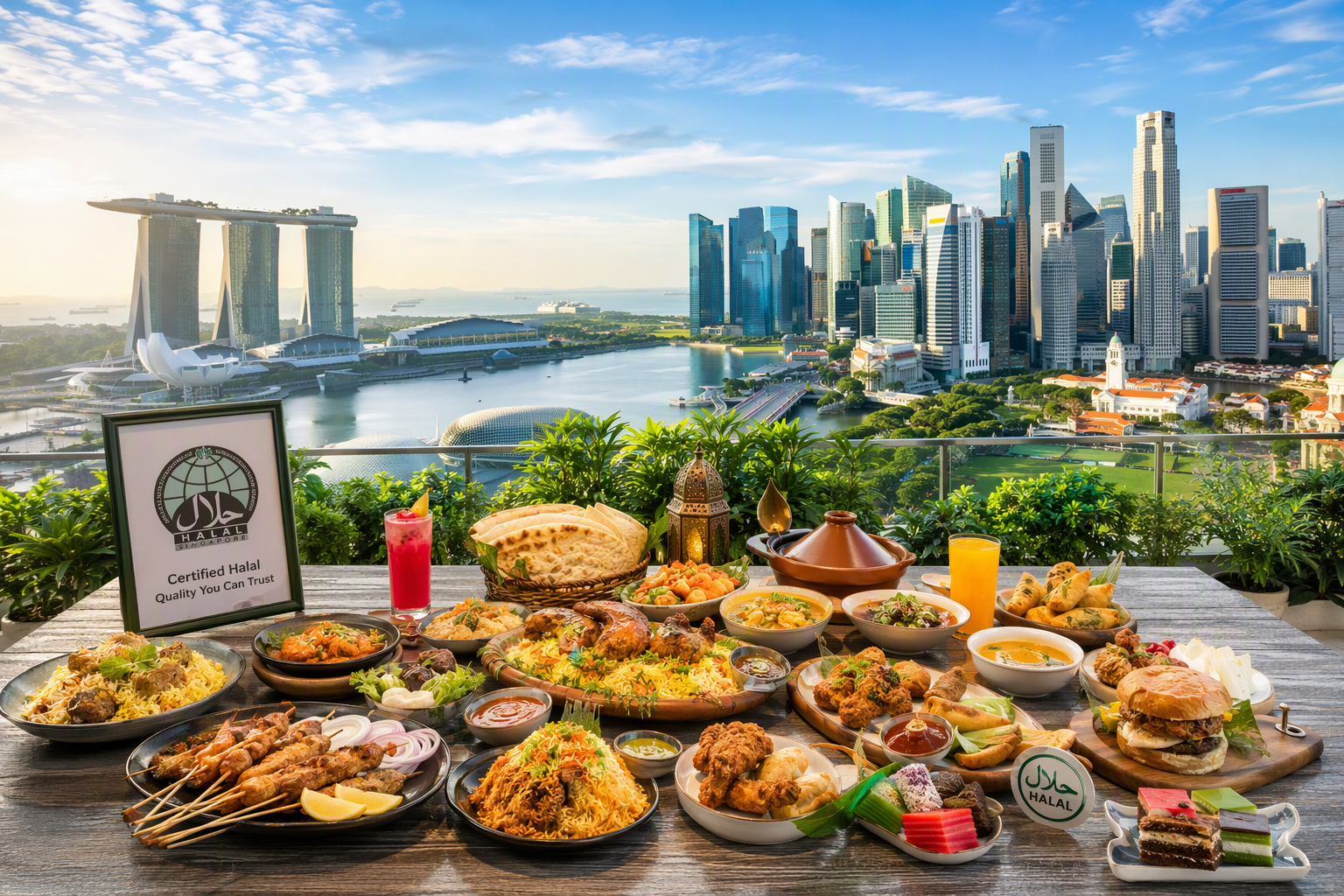
Seeing a halal certificate displayed in a restaurant or shop can make dining choices easier, but it should also lead to verification. Clear display helps customers quickly spot whether a business claims recognized halal certification.
Still, smart checking matters. With proper knowledge, you can look beyond a sign on the wall and confirm whether the certificate is current and official. That extra step supports confidence in food halal claims and helps you avoid relying on assumptions alone.
Recognizing Official Halal Logos and Certificates
A halal certificate should be more than a decorative display. It should connect to recognized halal certification and show that the business has passed a formal review. In Singapore, many diners specifically look for signs linked to muis halal certification because that offers stronger reassurance.
Official halal logos matter because they act as quick visual markers. They help customers identify certified businesses without having to ask long questions at the counter. Still, logos work best when paired with a valid certificate and easy verification.
When checking, pay attention to these basics:
- Look for official halal logos rather than homemade signs.
- Check whether the halal certificate is clearly displayed.
- See if the business name matches the certificate details.
- Confirm that the certification appears current and professional.
How to Check if a Restaurant or Shop is Halal Certified

If you want to know whether a restaurant in Singapore is halal certified, start with what you can see. Check for a displayed halal certificate and any recognized logo near the entrance, cashier, or menu area. This is the quickest first step.
Next, practice due diligence. Do not assume that Muslim-owned means certified, and do not treat verbal claims as equal to formal halal certification. Certification is about documented review, not just ownership or branding.
You can also use online services to verify status before visiting. That is especially useful when planning meals, comparing outlets, or ordering halal food for a group. A few minutes of checking can help you avoid confusion and choose a place with clearer proof of compliance.
Halal Food Experiences in Singapore
Singapore offers a wide range of halal food experiences, from casual bites to full meals for families and office groups. As the halal market continues to grow, diners can find more certified choices across neighborhoods, malls, and shared dining spaces.
That variety is one reason people often ask where to find the best options. Halal certification, busy food courts, and tools like a halal directory all make the search easier. To narrow it down, it helps to look at dining types and search methods separately.
Popular Halal Restaurants, Cafes, and Eateries
If you are asking whether Singapore has halal cafes and dining options, the answer is yes. The city offers halal food through halal restaurants, neighborhood eateries, cafes, and stalls in food courts. That range makes it easier for both residents and visitors to find something that suits their taste.
Some people want quick meals, while others want a sit-down setting for family or work gatherings. Singapore’s dining scene supports both. This variety also reflects the needs of global consumers who expect clear dining choices and trusted certification.
When choosing where to eat, consider:
- Certified halal restaurants for formal meals
- Halal cafes for lighter dining and drinks
- Food courts with clearly marked certified stalls
- Eateries offering seafood or plant-based options
- Places with visible certification and easy verification
Using the Singapore Halal Directory and Online Services
A halal directory helps you find certified businesses faster. Instead of relying on memory or word of mouth, you can search for places that are listed as offering halal food under recognized halal certification. That makes planning meals much easier.
This is especially useful when you want specific dining styles. Maybe you are looking for a quick lunch, a family dinner, or even halal la carte choices for a small gathering. A directory can help narrow the options before you travel across the city.
Online services also make ordering simpler. If you want delivery or advance planning, digital tools can help you compare outlets, confirm certification status, and choose what suits your schedule. For busy diners, that combination of directory support and online services saves both time and guesswork.
Halal Catering Menu Options in Singapore
Halal catering is an important part of Singapore’s food scene, especially for offices, celebrations, and community events. It gives hosts a practical way to serve halal meals that align with guest expectations and dietary needs.
When you compare vendors, look beyond the menu itself. A visible halal certificate matters because catering involves sourcing, bulk preparation, transport, and service. The best choice is usually one that combines trusted halal food handling with a menu your guests will actually enjoy.
Choosing Halal Dishes for Corporate and Family Events
Choosing halal dishes for an event starts with your guests. Are you serving coworkers, relatives, or a mixed group with different dietary needs? Halal catering works best when the food is both suitable and easy for everyone to enjoy.
For business events, simple and organized service often matters most. For family events, people may want a wider spread and familiar flavors. In both cases, it helps to balance taste, variety, and budget instead of choosing the biggest menu by default.
A practical shortlist might include:
- Seafood-based halal meals for broad appeal
- Plant-based dishes for mixed dietary needs
- Clearly labeled menu items for easier serving
- Affordable menus that still show variety
The goal is not just feeding people. It is making guests feel considered and comfortable.
Recommendations for Affordable and Diverse Catering Menus
Affordable halal catering does not have to mean limited choice. In many cases, the smartest menus are the ones built around flexible crowd-pleasers, such as seafood, plant-based dishes, and clearly certified prepared foods. These options can help you serve more guests without making the menu feel narrow.
Diverse menus are also useful when your guest list includes different tastes. Some people prefer lighter dishes, while others want richer mains. A balanced selection helps the event feel thoughtful without becoming hard to manage.
When comparing providers, focus on value rather than price alone. Ask whether the halal meals are certified, whether the portions match your group size, and whether the menu offers enough range. Good halal catering should feel reliable, practical, and easy to serve.
Conclusion
In summary, understanding Halal certification in Singapore is essential for both consumers and businesses. Whether you are planning a family gathering, corporate event, wedding reception, or special celebration, Shaabaz Kitchen offers halal catering options to help you create a delicious and memorable dining experience for your guests.
